
Marketing consistency, especially for small businesses, is one of the most important investments that can be made. However, it is often one of the priorities pushed aside when time, resources, and day-to-day demands compete for attention.
The challenge is that effective marketing does not operate in bursts. It is built through sustained visibility over time, not intermittent effort. The solution starts by shifting the mindset from seeing marketing as another to-do to building a simple, sustainable approach that keeps your business visible and connected, even when other priorities come up.
The Real Cost of Inconsistent Marketing
Inconsistent marketing rarely produces immediate consequences, which is precisely why it is so often overlooked. Over time, however, the impact becomes significant. A potential customer may discover a business, but without continued exposure, that initial awareness quickly fades – often replaced by competitors who maintain a more consistent presence.
The answer is not to increase the volume of marketing activity, but to reduce the amount of time between customer touchpoints. Even modest, consistent visibility – such as a weekly post or periodic update – helps keep a business top of mind, maintaining customer awareness without the need for constant effort or large-scale marketing campaigns.

Why Consistency Is So Difficult
For most small business owners, the challenge is not a lack of ideas but a limitation of capacity. Wearing multiple operational hats means marketing is often treated as a secondary priority, addressed only when immediate demands subside.
As a result, marketing becomes reactive rather than intentional. Activity occurs in short bursts when time permits, followed by extended gaps during busier periods. This pattern makes it difficult to build momentum or maintain audience awareness.
Consistency becomes easier when the need for constant decision-making is removed. When marketing is structured around a simple strategy executed on repeatable formats, it becomes easier to maintain consistency – even during high-demand periods.
Consistency Builds Trust in Local Markets
For small businesses, trust is largely built through familiarity. Customers are more likely to choose businesses they encounter regularly, even if they are not actively in the market at that moment.

Contrary to a common perception, trust does not require highly polished campaigns or complex strategies. It is developed through a steady, reliable presence. The key is maintaining visibility so that the business remains recognizable and top-of-mind when a need arises.
Small Efforts Create Big Results for Small Businesses
A frequent misconception is that effective marketing must be large in scale. In practice, sustained small efforts are often far more impactful than sporadic large campaigns. The difficulty arises when inconsistency disrupts momentum.
The key is to establish a modest but firm baseline of activity and maintain it regardless of workload fluctuations. When marketing becomes habitual rather than project-based, it compounds over time without requiring constant reinvention or effort spikes.
Consistency in Action: Real-World Examples
The benefits of consistent marketing can be seen across businesses of all types. While every organization has different goals, maintaining regular communication helps keep customers informed, engaged, and aware of the products and services available to them. Over time, these repeated touchpoints build familiarity and strengthen brand recognition and trust.
For our client, Sapporo Hibachi Steakhouse & Sushi Bar, we create ongoing email campaigns and social media content to keep customers up-to-date about specials, promotions, menu updates, and more. A steady stream of communication helps maintain awareness and encourages continued engagement. By highlighting seasonal offerings, special events, and signature dishes, we help keep the restaurant top of mind for both new and returning guests. Our consistent digital marketing efforts strengthen customer relationships, drive repeat visits, and support Sapporo’s overall brand presence across multiple online channels.

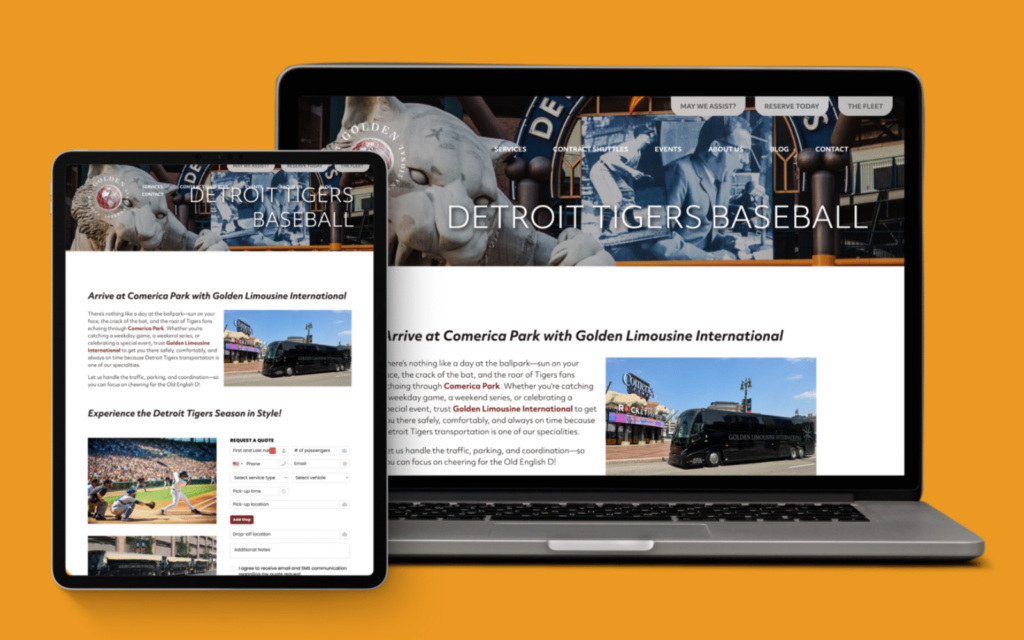
Likewise, for our client Golden Limousine International, we create targeted seasonal marketing campaigns that capitalize on Detroit’s year-round sports calendar. From transportation promotions for Detroit Tigers games in the summer to University of Michigan Football weekends in the fall, and Detroit Pistons and Detroit Red Wings events during the winter months, each campaign is designed to connect the company’s services with periods of high consumer demand. By aligning marketing efforts with the region’s most popular teams and events, Golden Limousine International attracts new customers, increases bookings, and drives sales throughout the year.
While these businesses serve different markets, both benefit from strategic marketing that keeps their brands visible and supports continued revenue growth.
Creating a Marketing Routine
Marketing rarely fails because it is too difficult. More often, it struggles because it is not prioritized in terms of time and effort. When workloads and business activities increase and attention shifts to immediate operational needs, marketing is often the first function to be paused.
One way to avoid that situation is to develop a marketing approach that has structure and predictability. When content is planned in advance and repurposed strategically, marketing no longer relies on daily decision-making. Instead of continually creating content from scratch, this approach ensures consistent visibility with minimal ongoing effort.

Final Thoughts
For small businesses, effective marketing is not about doing more—it is about staying visible. With a clear plan and consistent routine, marketing becomes less of a separate task and more of an integrated part of daily operations, helping keep the business top of mind and supporting long-term growth.