
For many business owners, creativity is often associated with visual design – a well-crafted logo, an engaging social media graphic, or a professionally designed website. While these elements are important, they represent only one aspect of what creativity can achieve.
Creative thinking solves problems, communicate their value, connect with customers, and adapt to changing markets. It influences how an organization positions itself, tells its story, and creates meaningful experiences that audiences remember long after their first interaction.

When creativity is approached as part of a broader strategy rather than simply a design skill, it becomes a valuable tool for strengthening brand recognition, building customer trust, and supporting long-term growth.
Creativity Gives Businesses a Competitive Advantage
Small organizations, for profit or non profit, operate in increasingly competitive markets where customers have more choices than ever before. While quality products and services remain essential, fostering a culture of creativity can help entities stand out and adapt to changing customer needs.
Creativity empowers to move beyond promotion. It encourages teams to share new ideas, solve problems in innovative ways, and tell authentic stories that highlight their expertise and strengthen community connections. Organizations that embrace a culture of creativity are better equipped to craft memorable experiences that resonate long after the first interaction. Because people don’t just remember what is offered—they remember why it matters.
By creating a culture that values curiosity, collaboration, and fresh thinking, companies strengthen brand recognition, build customer trust, and create meaningful connections that support long-term growth.

Strategy Gives Creativity a Purpose
Creativity is most effective when it is guided by strategy.
A well-designed advertisement may capture attention, but its real value comes from communicating a clear message and supporting a specific objective. Likewise, engaging social media content should do more than just generate likes – it should communicate a message that aligns with the organization’s mission, whether it’s creating awareness, generating leads or website traffic, or building customer loyalty. Every creative decision should support a broader business goal.
When creativity is aligned with strategy, marketing becomes more intentional, consistent, and effective.
Creativity Makes Brands More Memorable
Clients often remember how a business made them feel just as much as the products or services it provides. Creative branding helps shape those impressions by creating experiences that are recognizable, authentic, and consistent across every customer touchpoint.
This extends beyond visual identity. Brand messaging, tone of voice, storytelling, customer interactions, photography, and digital content all contribute to how audiences perceive a business.

Rather than trying to follow every trend, successful organizations focus on communicating their unique personality and expertise in ways that resonate with their audience. Over time, these consistent efforts strengthen brand recognition and make it easier for customers to remember and trust the business.
Creative Thinking Improves the Client Experience
Creativity influences far more than marketing campaigns. It shapes how businesses communicate, educate, and serve their customers throughout every stage of the customer journey.
Sometimes creativity involves simplifying a complicated process, presenting information more clearly, or finding new ways to answer common customer questions. In other situations, it may involve creating educational content, developing engaging events, or improving how services are introduced to new clients.

These thoughtful improvements make interactions more meaningful while demonstrating that a business understands the needs of its customers.
When businesses consistently look for opportunities to improve the customer experience through creative thinking, they build stronger relationships that encourage repeat business and referrals.
Creativity in Action: Greater Milan Area Community Foundation
Creativity becomes even more valuable when it supports a clear objective. One example is our work with the Greater Milan Area Community Foundation.
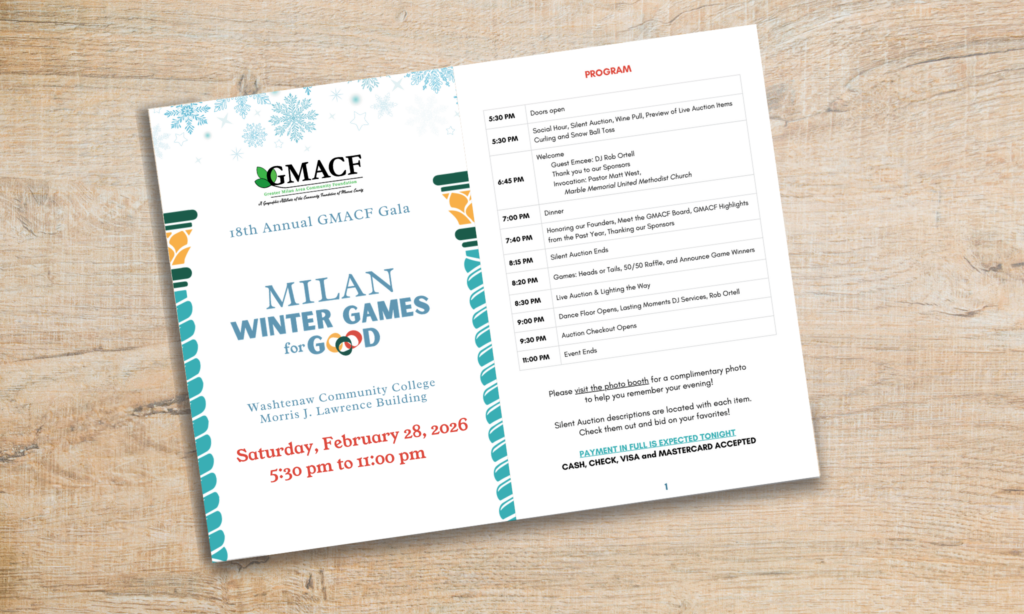
The Foundation’s annual gala required more than promotional materials – it needed a cohesive visual identity that reflected its mission and generated excitement around one of its most important fundraising events. Every creative element – from event posters and printed programs to on-site signage and promotional materials – was designed as part of a cohesive campaign that strengthened the Foundation’s brand and enhanced the attendee experience.
By combining thoughtful design with strategic messaging, the campaign helped reinforce the Foundation’s impact within the community while creating a memorable experience for attendees. Rather than existing as standalone marketing pieces, each asset supported the larger goal of increasing awareness, strengthening community engagement, and encouraging support for the organization’s mission.
This project demonstrates how creativity becomes more effective when every design and marketing decision contributes to a broader business or organizational strategy.

Building Creativity Into Your Strategy
Creativity shouldn’t be reserved just for major marketing campaigns or complete rebrands. It should become part of everyday business decisions.
A simple way to start is by making creativity part of your everyday decisions. Look for opportunities to present your products or services in fresh ways, refine how you engage with customers, and ensure your branding creates a consistent experience across every platform. Small creative changes can strengthen connections, reinforce your value, and help your business stand out.
Asking questions such as “How can we make this experience more memorable?”, “Is our messaging consistent across every customer touchpoint?”, and “What small change could make our brand stand out more?” encourages thoughtful improvements that can strengthen marketing over time without requiring constant reinvention.
When creativity becomes an ongoing part of strategic planning, entities are better equipped to adapt, communicate effectively, and create lasting impressions with their audiences.

Final Thoughts
Creativity is often associated with design, but its value extends far beyond aesthetics. It influences how organizations, large or small, solve problems, communicate with audiences, build trust, and create experiences that leave lasting impressions.
For small businesses, creativity is more than a way to make marketing look appealing – it is a strategic approach that strengthens branding, improves customer engagement, and supports sustainable growth.
When creativity is combined with thoughtful planning and clear business objectives, it helps businesses build lasting brand equity by fostering trust, reinforcing authenticity, and creating consistent experiences customers remember. Over time, these efforts strengthen a brand’s reputation and make it easier for customers to recognize, trust, and advocate for the business.
